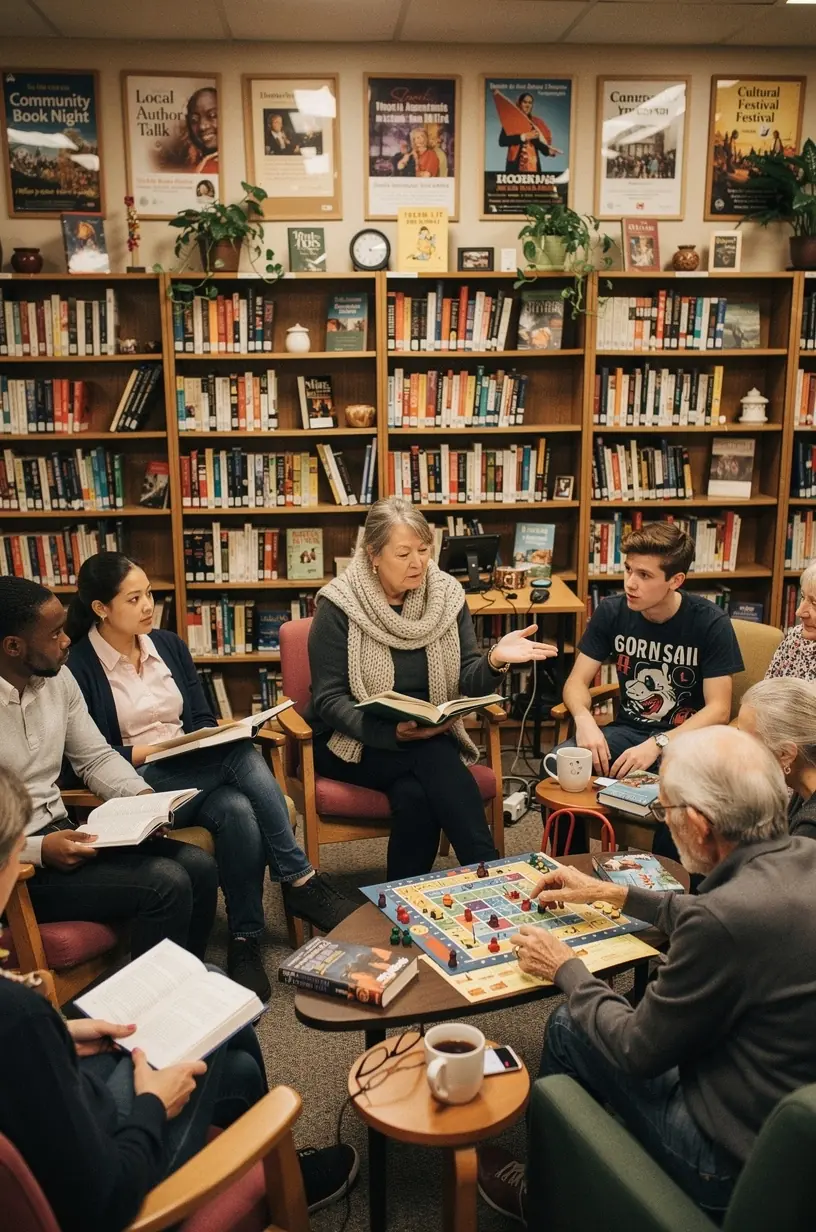
Tips for Engaging Diverse Audiences at Meetups
Creating an inclusive environment for meetups enhances community engagement and participation. This article offers practical tips for effectively engaging diverse audiences during board game nights, cultural activities, and community gatherings.
Understanding Diversity in Your Audience
Engaging a diverse audience requires a foundational understanding of what diversity means in the context of community activities. Diversity can encompass various factors, including age, cultural background, interests, and experiences. According to a study by McKinsey & Company, organizations that embrace diversity tend to outperform their peers, suggesting that varied perspectives can enhance collaboration and creativity.

"Diversity is a key driver of innovation and engagement in community settings." – Community Development Expert
Building an Inclusive Environment
To successfully engage diverse audiences at meetups, it is essential to create an inclusive environment. Here are some strategies:
- Facilitate Open Communication: Encourage participants to share their ideas and feedback. Studies show that environments where individuals feel comfortable expressing themselves can significantly improve group cohesion and satisfaction.
- Consider Accessibility: Ensure that your venue is accessible to all. This includes physical access for individuals with mobility issues and providing materials in multiple languages or formats if needed. Experts recommend assessing your venue through the lens of inclusivity.
- Diverse Programming: Offer a variety of activities that cater to different interests. For instance, while some may enjoy board games, others might prefer cultural discussions or creative workshops. Research indicates that varied programming can attract a broader demographic, enhancing overall engagement.
Promoting Cultural Sensitivity
Cultural sensitivity plays a vital role in engaging diverse audiences. This means being aware of and respecting various cultural norms and practices. Here are some actionable steps:
- Educate Yourself and Your Team: Invest time in learning about the cultures represented in your audience. This involves not only understanding customs but also recognizing potential cultural sensitivities that may arise during discussions or activities.
- Incorporate Cultural Elements: Consider integrating cultural themes into your events, such as food, music, or traditions from various backgrounds. This approach can make attendees feel valued and acknowledged, fostering a sense of belonging.
- Invite Diverse Voices: When planning meetups, consider inviting speakers or facilitators from various backgrounds. This not only enriches the experience but also demonstrates a commitment to diversity.
Soliciting Feedback and Adapting
Soliciting feedback from attendees is crucial for continuous improvement. After each meetup, consider using surveys or informal conversations to gather insights on participants' experiences. Many users report that their feedback significantly impacts future event planning. This iterative approach allows you to adapt your offerings to better meet the needs of your community.
Conclusion
Engaging diverse audiences at meetups is a multifaceted endeavor that typically requires ongoing commitment and effort. By prioritizing inclusivity, promoting cultural sensitivity, and actively seeking participant feedback, you can create a welcoming environment for everyone. Remember, building a strong community takes time, but the benefits—enhanced engagement and a rich tapestry of perspectives—are well worth the effort.
Learn More