Exploring Local Cultural Festivals and Their Impact
Cultural festivals play a significant role in community building and enriching local culture. This article delves into the various impacts of these events, emphasizing their importance in fostering connections among residents, supporting local businesses, and preserving cultural heritage.
Understanding the Basics of Cultural Festivals
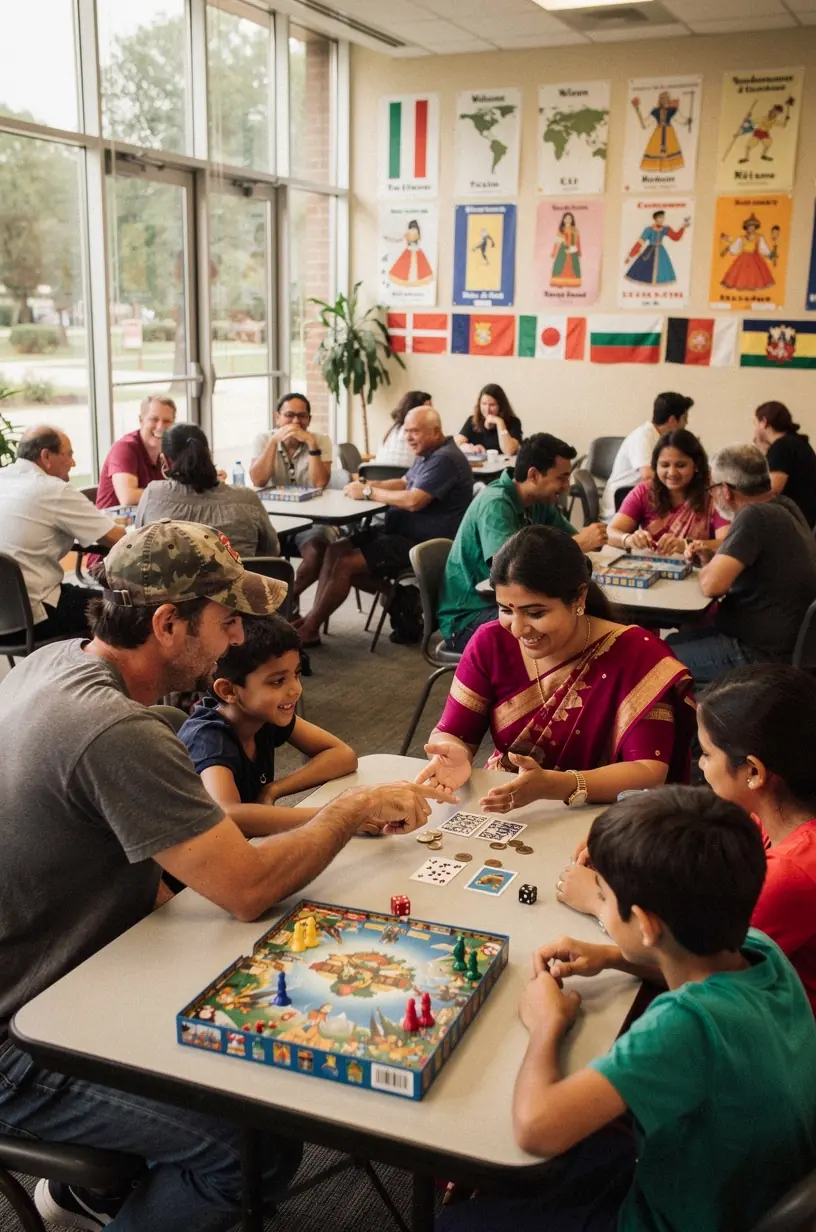
Cultural festivals are often organized events that celebrate specific traditions, arts, or community stories. According to studies by the National Endowment for the Arts, such festivals can enhance community engagement by providing a platform for collective expression and interaction. These gatherings typically involve performances, food, art exhibitions, and workshops, making them an effective tool for cultural education.
"Cultural festivals serve as a bridge between generations, helping to transmit values and traditions while promoting a sense of belonging." - Arts and Culture Expert
Economic Benefits of Cultural Festivals
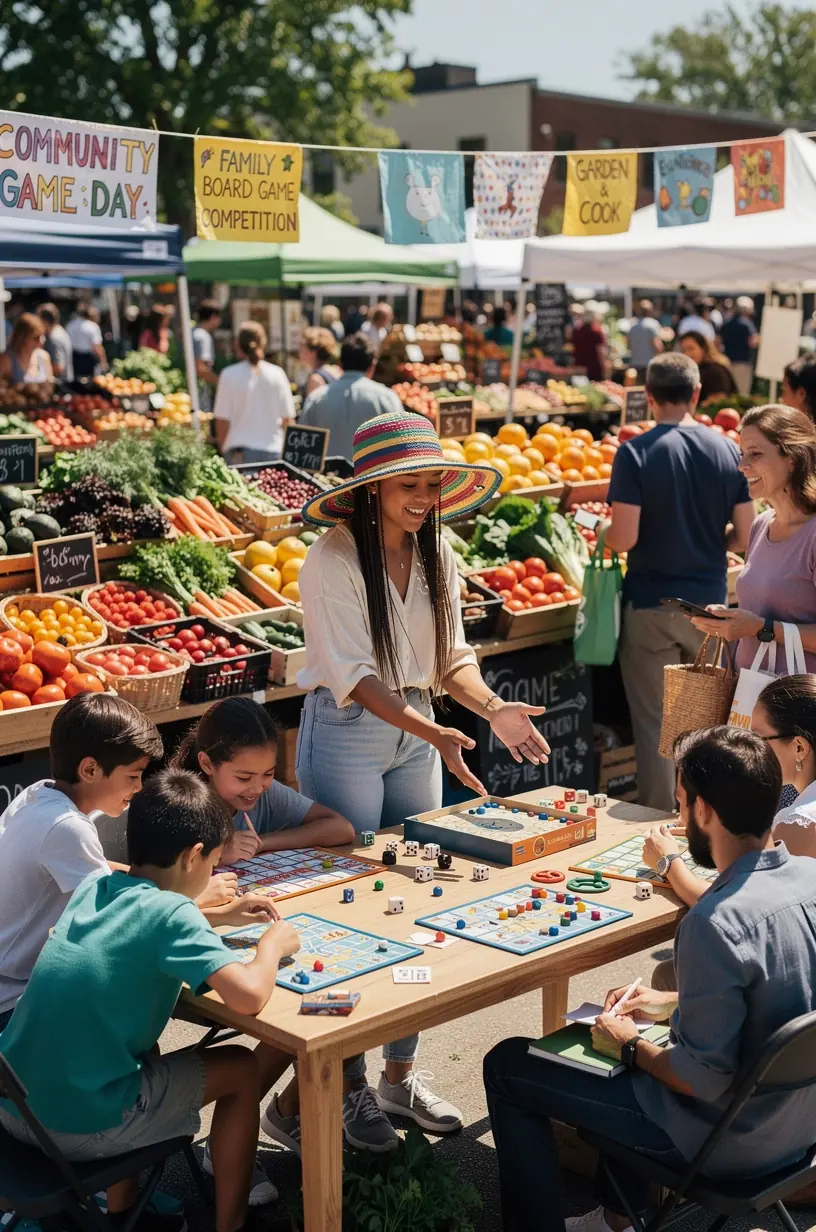
One significant impact of cultural festivals is their contribution to the local economy. Research indicates that festivals can boost local businesses and increase tourism. In most cases, these events create temporary jobs and generate sales for nearby restaurants, hotels, and shops. Industry experts suggest that communities hosting such festivals often see an increase in foot traffic that can lead to long-term economic benefits.
- Revenue Generation: Many festivals report increased sales in local shops and restaurants, which can lead to greater economic stability.
- Job Creation: Festivals often require event staff, vendors, and volunteers, providing short-term employment opportunities for locals.
- Tourism Boost: Events draw visitors from outside the area, which can significantly benefit local hospitality sectors.
Social and Cultural Impact
Cultural festivals are not just about economics; they also foster social cohesion. Many users report feeling a stronger sense of community spirit and identity during and after these events. Festivals can often highlight diverse cultural backgrounds and promote inclusivity.
Enhancing Community Engagement
Engagement during cultural festivals leads to a stronger community bond. According to research conducted by community development organizations, festivals often attract participants from various demographics, thereby encouraging dialogue and interaction among different cultural groups.
- Building Relationships: These gatherings create opportunities for networking and friendship among residents.
- Pride in Local Culture: Festivals instill a sense of pride in local heritage, encouraging individuals to participate actively in community affairs.
- Volunteering Opportunities: Many festivals rely on volunteers, which allows community members to become more involved and invested in local activities.
Challenges Faced by Organizers
While the benefits are clear, organizing a cultural festival is not without its challenges. Many organizers face hurdles such as funding, logistics, and securing permits. According to industry best practices, successful festivals typically require careful planning, community involvement, and often, multiple years of effort to establish a reliable structure.
Key Considerations
- Funding: Securing sponsorship and grants is essential and may take considerable time and effort.
- Logistical Planning: Organizers must ensure proper venue selection, accessibility, and safety measures.
- Community Support: Garnering community involvement is crucial for the festival's success, often requiring outreach and marketing strategies.
Conclusion
Cultural festivals are invaluable assets to local communities, offering economic, social, and cultural benefits. While organizing such events requires considerable effort and resources, the potential for fostering community spirit and promoting local culture is significant. Engaging with these festivals can enhance your understanding of local heritage while also supporting your community’s growth. Whether you're a participant or a volunteer, your involvement can contribute to the ongoing success of these community gatherings.
Learn More