How to Organize a Successful Community Event
Organizing a community event can be a rewarding experience that fosters local connections and encourages participation in cultural activities. However, successful events require careful planning and execution. This article will provide you with actionable insights and realistic expectations for organizing a vibrant community gathering.
Understanding the Basics
Successful community events typically stem from thorough understanding of your target audience and what they value. According to studies, events that align closely with community interests can draw larger crowds. Experts recommend conducting surveys or informal discussions to identify what types of events community members are eager to participate in.
"Communities thrive when their voices are heard. Engaging locals in the planning process can yield more successful events." - Community Engagement Expert
Steps for Organizing an Event
To organize an effective community event, consider the following steps:
- Define Your Objectives: Before planning, clearly outline what you hope to achieve. Common goals include raising awareness, encouraging participation in local initiatives, or simply fostering social connections.
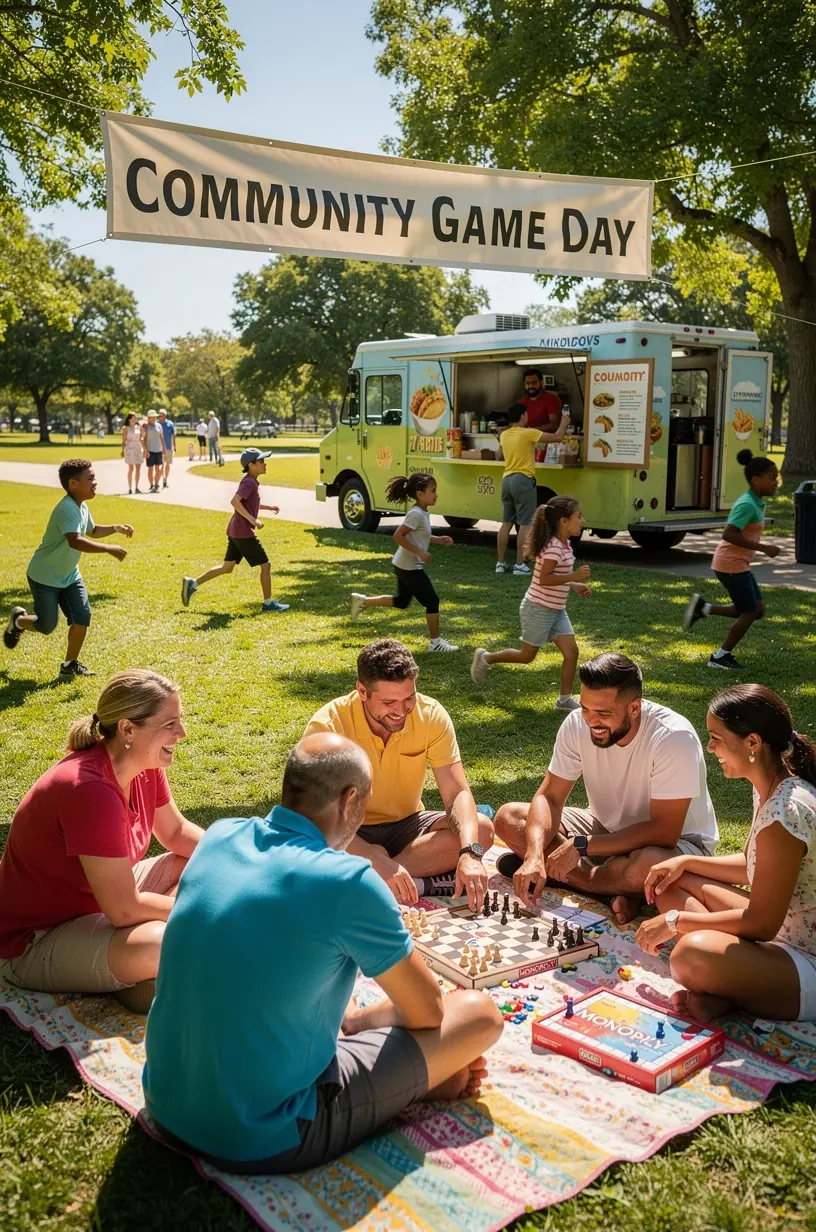
- Choose the Right Location: Selecting an appropriate venue is crucial. It should be accessible to your target audience and accommodate the expected number of attendees. In most cases, outdoor venues can enhance engagement, but indoor spaces may be necessary depending on weather conditions.
- Plan the Logistics: Organizing a community event involves many logistical considerations such as permits, insurance, and equipment rentals. Research indicates that well-organized events often have a dedicated team to handle these details, which can prevent last-minute issues.
Engaging Your Community
Promoting your event effectively is key to attracting participants. Experts suggest utilizing multiple channels such as social media, local community boards, and flyers to reach a wider audience. Here are a few tips to enhance engagement:
- Leverage Local Influencers: Collaborate with local figures who can help promote your event to their followers. This may increase your event's visibility and credibility.
- Offer Incentives: Providing incentives such as free food, giveaways, or raffle prizes can entice more attendees. Research shows that incentives often lead to higher participation rates.
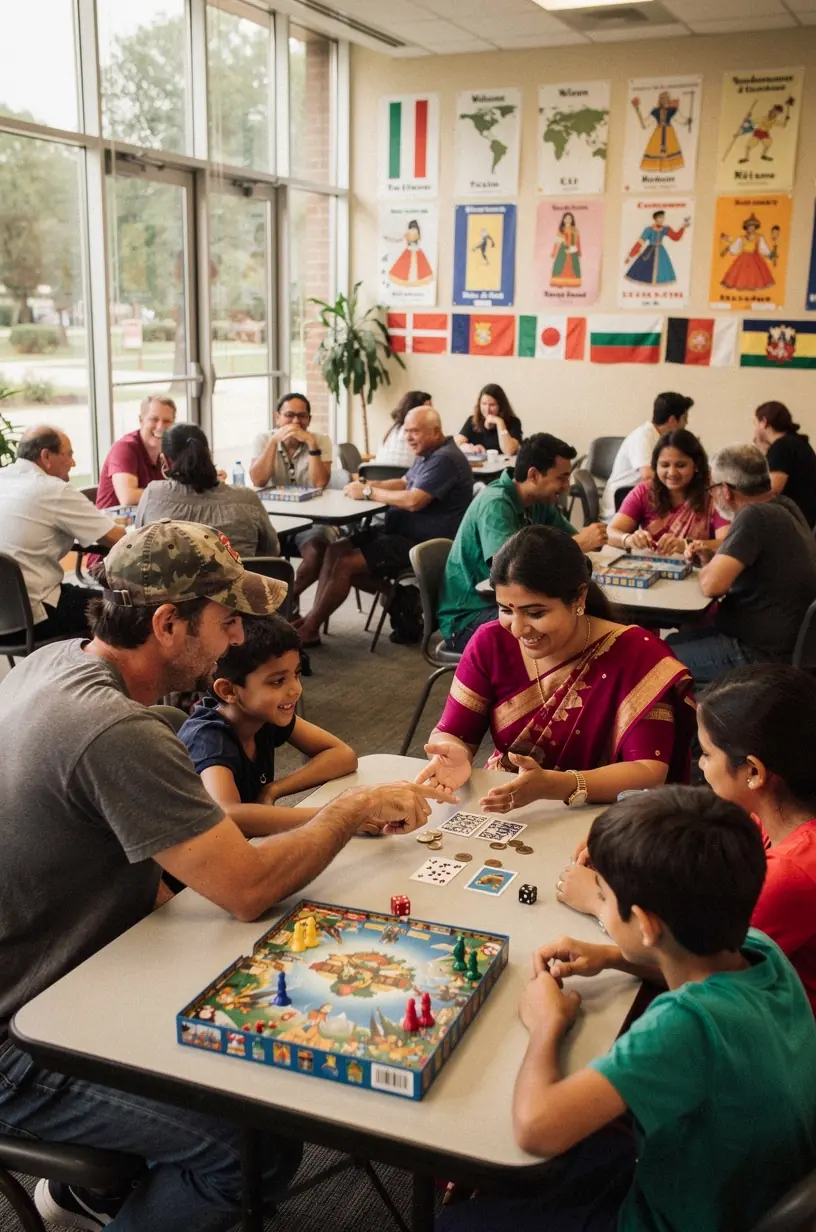
- Foster a Welcoming Atmosphere: Events that prioritize inclusivity and community spirit often see greater engagement. Ensure your event is accessible to all and consider having volunteers available to assist attendees.
Measurement and Feedback
After your event, collect feedback from participants to evaluate its success. Surveys can provide valuable insights into what worked well and what could be improved. According to experts, measuring outcomes against your initial objectives is an essential practice in ensuring continuous improvement for future events.
Conclusion
Organizing a successful community event can be a complex but fulfilling endeavor. By understanding community needs, engaging local members, and carefully planning logistics, you can create an event that resonates with your audience. Remember, the key is to stay adaptable and open to feedback, as these elements can significantly enhance your community's engagement and satisfaction in the long run.